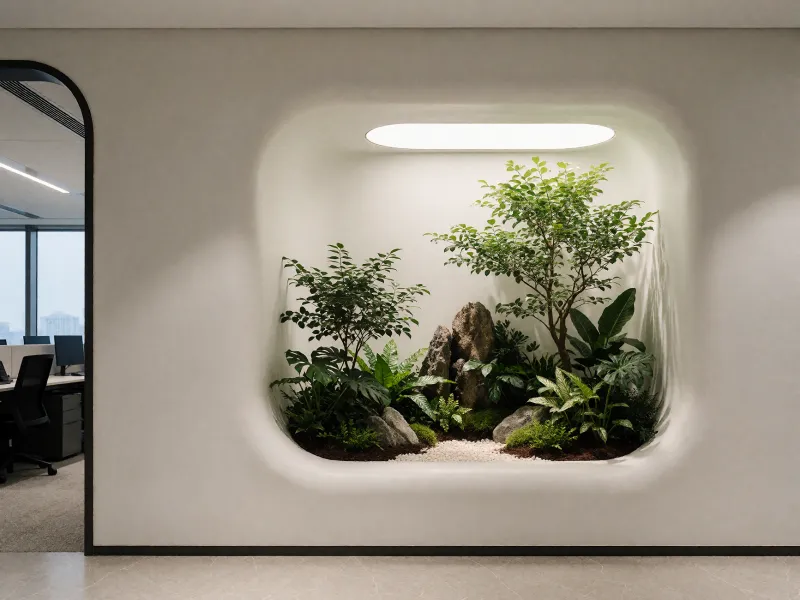
Rooted in Wellness: How Botanical Design Supports Mental Health in the Modern Workplace
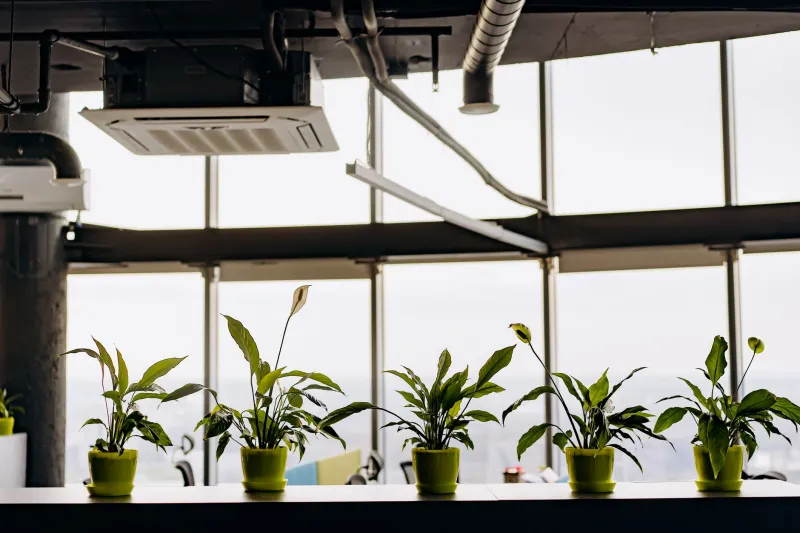
For years, the conversation around workplace wellness focused almost exclusively on ergonomic furniture, lighting standards, and air quality metrics. Plants, when they appeared at all in these discussions, were treated as decorative afterthoughts—pleasant but peripheral. That framing is changing rapidly. Behavioral researchers, environmental psychologists, and facility designers across the United States are converging on a shared conclusion: botanical design is not an amenity. It is a mental health infrastructure decision.
At Agency Botanics, we work with commercial clients who increasingly recognize that the psychological state of their workforce is directly influenced by the physical environment those employees inhabit. Understanding how botanical design supports mental health—and how to implement it with strategic intention—is now core to what we deliver.
The Science Behind Plants and Psychological Well-Being
The relationship between human beings and natural environments has deep evolutionary roots. Researchers refer to this as biophilia—the innate human affinity for living systems and natural processes. When that connection is absent from daily life, as it often is in conventional office environments, the psychological cost accumulates quietly but consistently.
Studies conducted at institutions including the University of Exeter and Texas A&M University have found that the presence of plants in work environments correlates with reduced stress hormone levels, improved mood, and enhanced cognitive performance. A 2014 study published in the Journal of Experimental Psychology found that enriching a lean office space with plants improved employee productivity by fifteen percent—a figure driven in part by the psychological comfort that natural elements provide.
The mechanism is not mysterious. Plants slow the visual pace of a space. They introduce organic texture, color variation, and subtle movement that the human nervous system processes as calming rather than stimulating. In environments characterized by hard surfaces, fluorescent lighting, and digital screens, botanical elements provide a form of restorative contrast that the brain actively seeks.
From Residential Intuition to Commercial Application
Many people already understand this intuitively in their home lives. Indoor plants have experienced extraordinary popularity across the United States over the past decade, driven in large part by a growing awareness of their calming and mood-lifting effects. The challenge for businesses is translating that residential intuition into a professionally executed, scalable commercial strategy.
This is where botanical expertise becomes essential. The species that thrive in a sun-drenched home kitchen are not necessarily suited to a north-facing conference room. The maintenance rhythm that works for a homeowner with flexible time does not transfer cleanly to a corporate campus with thousands of square feet to manage. Intentional commercial botanical design requires a different level of rigor—one that accounts for light conditions, HVAC systems, foot traffic patterns, maintenance protocols, and the specific psychological outcomes the organization is trying to achieve.
Designing for Specific Mental Health Outcomes
Not all botanical design serves the same psychological function, and a thoughtful implementation plan distinguishes between different types of mental health support.
Stress Reduction Zones High-traffic areas such as lobbies, corridors, and open-plan workstations benefit from species selected for their visual density and calming presence. Plants like peace lilies (Spathiphyllum), Boston ferns, and golden pothos introduce softness and organic movement that counteract the visual rigidity of corporate architecture. These species are also well-documented air quality contributors, which compounds their wellness value.
Restorative Break Spaces Break rooms and informal lounge areas represent an opportunity to create genuinely restorative environments. Incorporating larger specimen plants—fiddle-leaf figs, bird-of-paradise, or interior palms—alongside seating that faces botanical elements mimics the psychological effect of proximity to nature. Research on Attention Restoration Theory, developed by Rachel and Stephen Kaplan at the University of Michigan, suggests that even brief exposure to natural environments allows the directed attention system to recover, improving focus and emotional regulation upon return to work tasks.
Private and Focus Spaces For private offices, phone booths, and focus rooms, botanical design can support the sense of enclosure and calm that productive deep work requires. Lower-light tolerant species such as ZZ plants, snake plants, and cast iron plants perform reliably in these conditions while providing the psychological benefits of living greenery without demanding intensive maintenance.
Collaborative and Creative Spaces Biophilic design research also suggests that botanical environments support divergent thinking—the kind of associative, expansive cognition that fuels creative work. Green walls or curated plant arrangements in brainstorming rooms and collaborative hubs can signal to the brain that the environment is safe, stimulating, and conducive to exploration.
Addressing the Mental Health Crisis in the American Workplace
The stakes for getting this right are considerable. The American Institute of Stress reports that workplace stress costs US employers an estimated $300 billion annually through absenteeism, diminished productivity, employee turnover, and healthcare expenditure. The American Psychological Association's annual Work and Well-Being Survey consistently identifies the workplace environment as a significant contributor to employee stress levels.
Botanical design is not a complete solution to this systemic challenge, and responsible practitioners do not present it as one. However, it represents a high-value, relatively low-cost intervention that complements broader wellness initiatives. Unlike many wellness programs that require employee participation or behavioral change, botanical design works passively—it improves the environment for everyone who moves through it, regardless of whether they consciously engage with it.
Implementing a Botanically Informed Wellness Strategy
Organizations ready to move from awareness to action should approach botanical wellness design as a structured process rather than a procurement exercise. The distinction matters. Purchasing plants and placing them in visible locations is not botanical design. It is decoration, and it rarely delivers the psychological outcomes that a properly executed strategy achieves.
A credible implementation process begins with an environmental audit—assessing light levels, spatial flow, humidity, and temperature variation across the facility. It continues with species selection informed by both environmental conditions and wellness objectives. It includes a maintenance framework that ensures plants remain healthy, because a dying plant communicates neglect rather than vitality. And it incorporates periodic evaluation to assess whether the botanical environment is delivering the intended benefits.
At Agency Botanics, we bring this structured approach to every engagement. Our clients are not simply purchasing plants. They are investing in a living system designed to support the human beings who work within it.
The Business Case Is Clear
Wellness is no longer a soft benefit that progressive companies offer as a differentiator. It is a core operational concern for organizations competing to attract and retain talent in a demanding labor market. Botanical design sits at the intersection of evidence-based wellness strategy and sophisticated workplace design—a space where Agency Botanics has built its practice.
The research is settled. The applications are proven. The only remaining question is whether your organization is ready to make the investment that your workforce's mental health deserves.