Beyond the Plateau: Breaking Through the Invisible Limits of a Growing Plant Collection
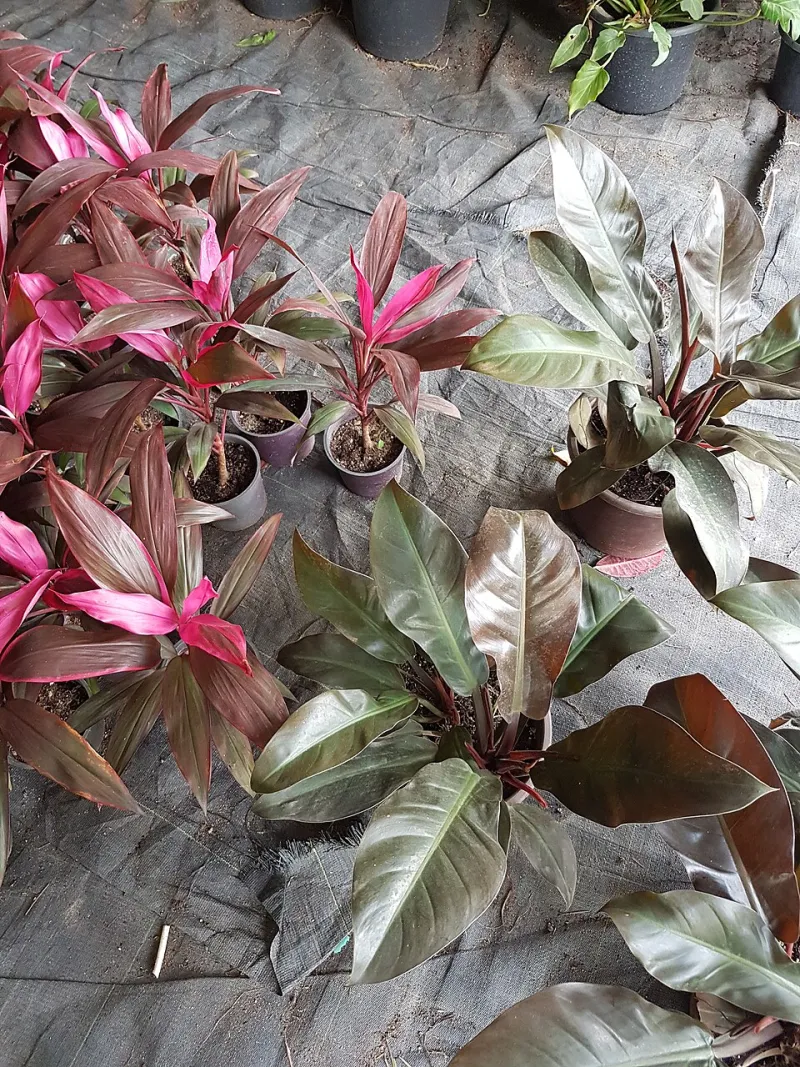
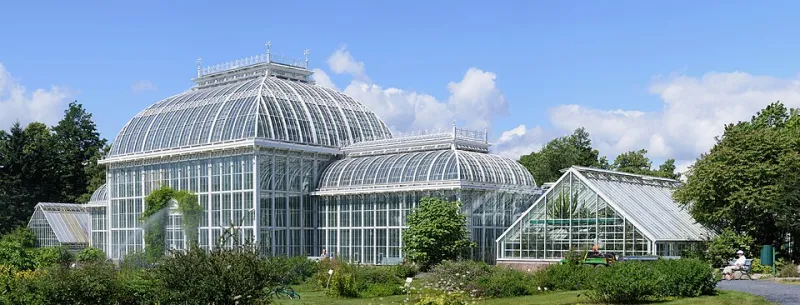
Photo: Yomna402, CC BY-SA 4.0, via Wikimedia Commons
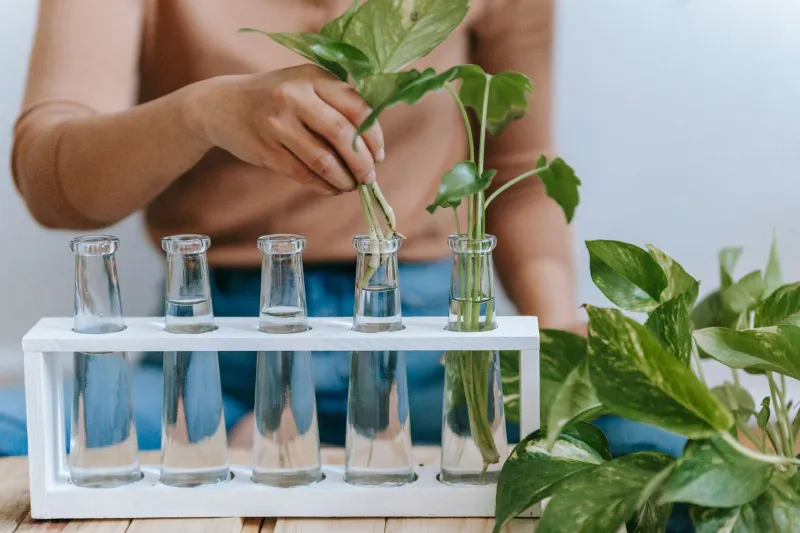
There is a particular frustration that experienced plant enthusiasts know well. It arrives not at the beginning—when every new cutting feels like a small miracle—but somewhere in the middle, when the collection has grown to a respectable size and yet forward momentum has quietly stalled. New propagations sit in water for weeks without purpose. Shelf space has become a strategic negotiation. The joy that once felt effortless now carries a faint undercurrent of obligation.
This is what we at Agency Botanics call the propagation plateau: the point at which a thriving plant collection stops expanding not because of skill deficits, but because of accumulated friction across multiple dimensions of a person's life. It is more common than most enthusiasts admit, and it deserves a candid, structured conversation.
The Plateau Is Rarely About Plants
The instinct when growth stalls is to look inward—to question technique, to research propagation methods more aggressively, to buy a new grow light. But in most cases, the limiting factors are environmental and organizational rather than horticultural.
Space is the most obvious constraint. The average American home was not designed with a living collection of fifty or more plants in mind. Window sills fill up. Corners become crowded. The aesthetic coherence that made the collection appealing in the first place begins to erode under the weight of sheer volume. At a certain point, adding one more plant feels less like growth and more like clutter—and that psychological friction is enough to slow even the most enthusiastic collector.
Time compounds the problem. Propagation requires consistent attention during the early stages: monitoring humidity, refreshing water, adjusting light exposure, and transitioning cuttings into soil at precisely the right moment. When a person's collection reaches a certain size, the maintenance demands of existing plants begin to consume the bandwidth needed to nurture new ones. The result is a kind of botanical triage—keeping what exists alive at the expense of what could exist.
The Psychological Weight of Abundance
Less discussed, but equally real, is the emotional dimension of the plateau. Plant collecting carries with it a quiet perfectionism. Enthusiasts who have invested time, money, and genuine care into their collections often develop a high threshold for what feels "ready" to share, propagate, or rehome. A cutting that doesn't look pristine stays in the propagation vessel longer than it should. A mature plant that has outgrown its space remains in place because the decision of what to do with it feels complicated.
This attachment is understandable—it reflects the same care that made the collection worth building—but it can become a form of stagnation dressed as stewardship. Recognizing it for what it is, without self-criticism, is the beginning of moving past it.
Vertical Space: The Underutilized Resource
For collectors facing spatial constraints, the most immediate practical intervention is a shift in orientation. Most home plant displays are organized horizontally—across surfaces, along windowsills, on low shelving. This approach exhausts usable square footage quickly and does little to address the visual density that makes large collections feel chaotic.
Vertical gardening systems change the calculus entirely. Wall-mounted planters, tiered plant stands, and ceiling-hung installations redistribute visual weight and dramatically increase the number of plants a given room can accommodate without feeling overwhelmed. In rooms with high ceilings—common in older American homes and many urban loft-style apartments—the upper third of the wall is frequently unused botanical real estate.
The key is approaching vertical design with the same intentionality applied to any designed space. Plants chosen for wall installations should be selected based on their light tolerance relative to the wall's exposure, their trailing or compact growth habits, and their compatibility with one another in terms of watering cadence. Improvised arrangements tend to create maintenance problems; planned ones create ecosystems.
Community as Infrastructure
One of the most underutilized tools available to plateau-stage collectors is the plant swap community. Across the United States, local plant swap events—organized through neighborhood associations, botanical gardens, social media groups, and independent retailers—offer a mechanism for both offloading surplus propagations and acquiring new varieties without financial outlay.
For the collector who has hit a ceiling partly because their shelves are full of cuttings they don't know what to do with, swaps provide immediate relief. More importantly, they reframe the act of letting go. Passing a propagation to another enthusiast is not a loss; it is a contribution to a broader network of living material. That reframe matters psychologically. It transforms the act of releasing plants from something that feels like diminishment into something that functions like generosity.
Beyond swaps, online communities such as local Facebook plant groups, Reddit communities, and neighborhood apps like Nextdoor have created informal but robust ecosystems for plant exchange. These networks can serve as both an outlet for surplus and a source of accountability—when others are watching your collection evolve, the motivation to push past inertia tends to increase.
Delegation and Design Thinking
For collectors whose plateau is rooted in time constraints rather than space, the answer often involves some form of delegation—not of the collection itself, but of the systems that support it. Self-watering planters, moisture-monitoring devices, and automated misting systems can reduce the daily attention required to maintain a large collection, freeing cognitive and physical bandwidth for propagation work.
More substantively, some collectors benefit from approaching their space as a design project rather than an accumulation. This means making deliberate decisions about which plants belong in the collection long-term, which are transitional, and which have served their purpose. A curated collection of forty well-placed, healthy plants will almost always outperform a crowded collection of eighty in terms of both visual impact and owner satisfaction.
This is precisely the kind of thinking that professional botanical design brings to residential spaces. At Agency Botanics, we work with homeowners not only to introduce plants into their environments, but to help them develop frameworks for managing those environments as living collections grow and evolve. The plateau, in our experience, is often a signal that a collection has outgrown its original organizational logic—and that what's needed is not more plants, but a better system for the ones already present.
The Plateau as an Invitation
It is worth reframing the propagation plateau not as a failure state but as a threshold. It marks the point at which casual enthusiasm has matured into something more serious—a collection large enough and complex enough to require genuine design thinking. That is not a problem. That is progress.
The collectors who break through this ceiling are not necessarily the most skilled propagators or the ones with the largest homes. They are the ones willing to examine the full picture honestly: the spatial constraints, the time demands, the psychological attachments, and the organizational systems that either support or undermine continued growth. They are, in short, the ones who stop treating their collection as a hobby and start treating it as a designed environment.
That shift in perspective is available to anyone. And for those who want guidance navigating it, that is exactly the kind of conversation we are here to have.