The Art of the Seasonal Plant Swap: A Budget-Conscious Guide to Refreshing Commercial and Home Offices with Living Greenery
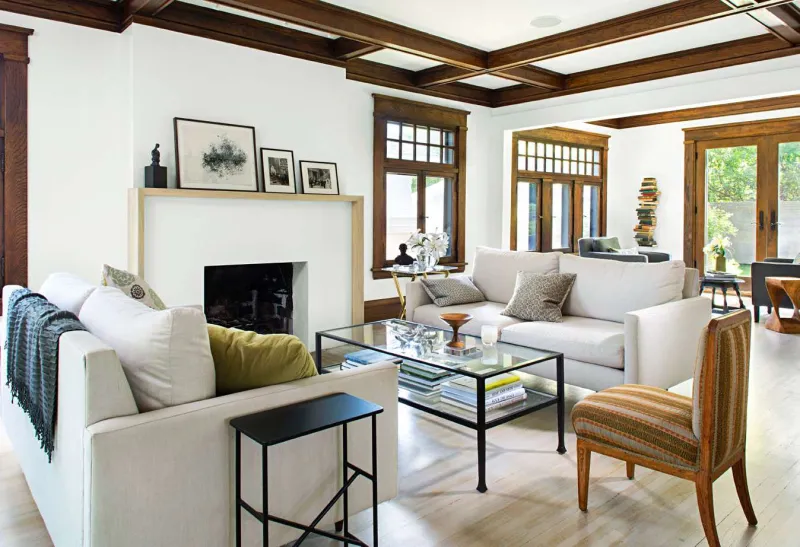
There is a particular kind of visual fatigue that sets in when an interior environment never changes. The same furniture, the same finishes, the same plants in the same corners—over time, even a well-designed space begins to feel static. For businesses and home-office professionals alike, this flatness has real consequences: it diminishes the sense of energy and intention that a thoughtfully maintained environment is supposed to project.
Seasonal plant swaps are one of the most practical and cost-effective tools available for countering this effect. The concept is straightforward: rather than committing permanently to a fixed botanical palette, you rotate species in and out of your space in alignment with the seasons, responding to shifts in natural light, humidity, ambient temperature, and aesthetic mood. The result is an interior that feels genuinely alive—not just in the biological sense, but in the sense that it reflects awareness and care.
At Agency Botanics, we have built seasonal rotation frameworks into commercial botanical programs for clients across the United States. The principles that govern those programs translate directly to home-office environments, and the budget discipline required in a professional context turns out to be equally useful at the individual scale.
Why Seasonal Swaps Make Strategic Sense
Before addressing the practical mechanics, it is worth understanding why seasonal rotation is a strategically sound approach rather than simply a decorative indulgence.
First, plants are living organisms, and their performance is directly tied to environmental conditions. A species that thrives in the bright, long days of a Chicago summer may struggle through a dim January in the same window. Rather than forcing plants to survive conditions they are not suited for—and watching them decline—a swap-based approach matches species to conditions, which means healthier plants and lower replacement costs over time.
Second, a rotating botanical program is almost always more cost-efficient than a static one over a multi-year horizon. Plants that are well-matched to current conditions require less intervention, fewer supplemental inputs, and less frequent emergency replacement. The upfront investment in seasonal planning pays dividends in reduced maintenance burden.
Third, from a design perspective, seasonal variation creates the kind of visual dynamism that keeps an interior feeling current. This matters in commercial settings where clients, partners, and employees form impressions based on the physical environment. It matters equally in home offices, where the quality of the surrounding space has a documented effect on focus, creativity, and professional presence during video calls.
A Season-by-Season Framework
Spring: Expansion and Light
As daylight hours increase across the continental United States—typically from March through May—interior spaces receive more natural light, and ambient temperatures begin to stabilize. This is the optimal moment to introduce species that reward bright, indirect light and benefit from the rising energy of the season.
Strong candidates for spring swaps include pothos varieties (in spaces without pet access), ferns, philodendrons, and peace lilies. For home offices and pet-safe environments, spider plants, calatheas, and peperomias are excellent choices. Spring is also an ideal time to introduce flowering plants such as anthuriums or bromeliads, which add color and signal seasonal renewal.
Budget tip: Spring is peak season at most US garden centers and plant nurseries, which means selection is at its widest. However, prices tend to be slightly elevated. Purchasing smaller specimens and allowing them to grow into the space over the season is a reliable way to manage cost without sacrificing quality.
Summer: Resilience and Humidity
Summer conditions in most American climates—high ambient temperatures, stronger direct light, and increased air conditioning—create a specific set of challenges for interior plants. Air conditioning, in particular, reduces indoor humidity significantly, which stresses many tropical species.
For summer swaps, prioritize species with demonstrated drought tolerance and low humidity requirements. Succulents, cacti, snake plants (Sansevieria), and ZZ plants (in non-pet environments) all perform exceptionally well under these conditions. Dracaenas are another strong summer option, tolerating the dry air produced by HVAC systems without significant decline.
Budget tip: Summer is an excellent time to propagate. Many of the species listed above propagate readily from cuttings or offsets, allowing you to expand your plant inventory at minimal cost. A single snake plant purchased in spring can yield multiple new plants by late summer.
Fall: Warmth and Texture
As light levels begin to decrease and temperatures moderate—typically September through November—the design mood of an interior space naturally shifts toward warmth and depth. Fall botanical swaps should reflect this shift, favoring species with rich foliage colors, interesting textures, and lower light requirements.
Crotons offer exceptional fall color and perform well as temperatures drop. Chinese evergreens (Aglaonema) in deep red and burgundy varieties are particularly effective in low-light conditions. Cast iron plants and pothos (revisited from spring in appropriate environments) round out a strong fall palette.
Budget tip: Fall is when many garden centers begin to discount their summer inventory. Monitoring local nurseries in September and October for end-of-season sales is one of the most reliable budget strategies in a seasonal rotation program.
Winter: Restraint and Endurance
Winter presents the most challenging conditions for interior plants across most of the United States. Reduced daylight, dry heating systems, and cold drafts near windows create a stressful environment for many species. A well-designed winter rotation leans into this reality rather than fighting it.
The strongest winter performers include cast iron plants, snake plants, ZZ plants, heartleaf philodendrons, and pothos. For spaces with grow lights—an increasingly common feature in home offices—the options expand considerably, with herbs such as rosemary, thyme, and mint offering both visual interest and practical utility.
Budget tip: Winter is not the season to introduce expensive or delicate specimens. Prioritize proven, low-maintenance species and reserve budget for spring, when conditions and selection improve simultaneously.
Managing the Budget Across the Full Year
A four-season botanical rotation does not require a large annual budget. The key is planning. Agency Botanics recommends establishing a simple annual plant budget at the outset—even for home offices—and allocating it across quarters rather than spending reactively.
A reasonable framework for a home office or small commercial space might allocate 40 percent of the annual botanical budget to spring (when the largest swap typically occurs), 20 percent to summer, 20 percent to fall, and 20 percent to winter maintenance and minor additions. Propagation, seasonal nursery sales, and plant-sharing with colleagues or neighbors can reduce actual spend well below initial estimates.
The Larger Principle
Seasonal plant swaps are, at their core, an expression of attentiveness—to the natural world, to the conditions of a particular space, and to the experience of the people who inhabit it. That attentiveness is precisely what distinguishes a botanical program that performs from one that merely persists.
Whether you are managing a single home office or a portfolio of commercial interiors, the discipline of seasonal rotation keeps your environment genuinely alive. And in our experience at Agency Botanics, that vitality is always worth the investment.